

As the weather becomes warmer, it can be tempting to think less about engine preheating. However, even during spring and summer, ambient temperatures remain significantly lower than an engine’s optimal operating temperature.
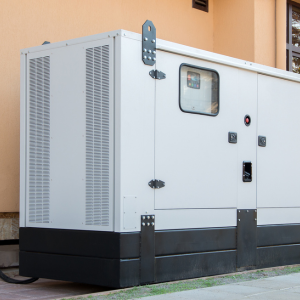
Whether your engine powers a vehicle, generator, marine vessel or aircraft, starting from cold places unnecessary stress on critical components. Engine preheating remains one of the simplest and most effective ways to improve performance, reduce wear and extend engine life throughout the year.



Reduced Friction and Engine Wear
A large proportion of engine wear occurs during the first few minutes after a cold start. At lower temperatures, engine oil becomes thicker and takes longer to circulate throughout the engine.
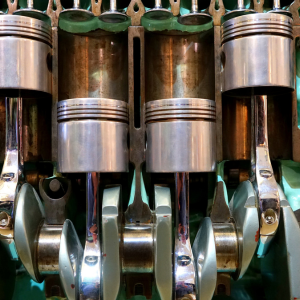
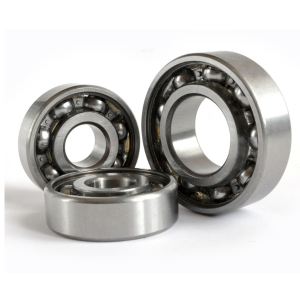
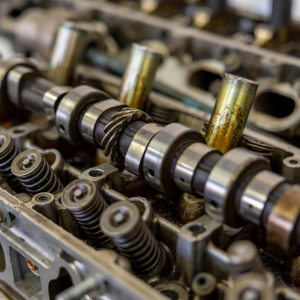
By preheating the engine before start up, oil flows more freely and reaches critical moving parts much faster. Components such as piston rings, bearings and camshafts receive immediate lubrication, reducing metal to metal contact and minimising long term wear.
Improved Fuel Efficiency
Modern engines require a richer fuel mixture when operating from cold. This means more fuel is consumed during the warm up period before the engine reaches its normal operating temperature.
Preheating helps bring the engine closer to its ideal operating temperature before start up. As a result, the engine can move more quickly into its most efficient operating range, reducing fuel consumption and improving overall efficiency.
Lower Emissions
Cold starts are one of the biggest contributors to vehicle and engine emissions. The catalytic converter cannot effectively treat exhaust gases until it reaches its required operating temperature.
When an engine has been preheated, the exhaust system warms up more rapidly, allowing emissions control systems to become effective sooner. This helps reduce harmful emissions released during engine start up and warm up.



Prevents Internal Condensation and Corrosion
This benefit is particularly important in aviation and high humidity environments.
When metal engine components are colder than the surrounding air, moisture can condense on internal surfaces. Over time, this condensation can lead to corrosion, affecting reliability and potentially causing costly repairs.
Preheating the entire engine block helps keep components above the dew point, preventing moisture formation and providing valuable protection against internal corrosion.
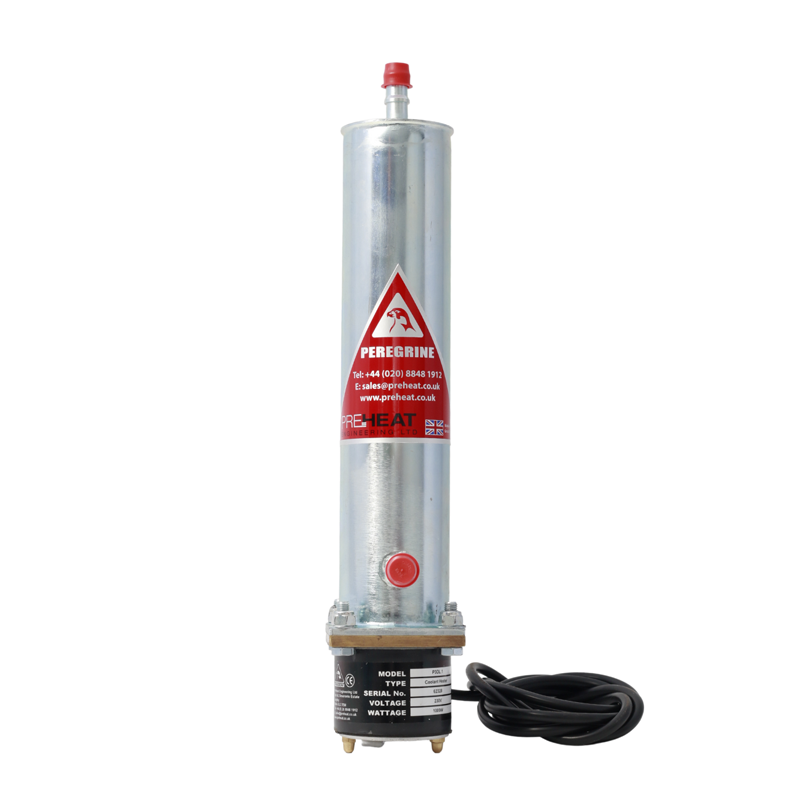
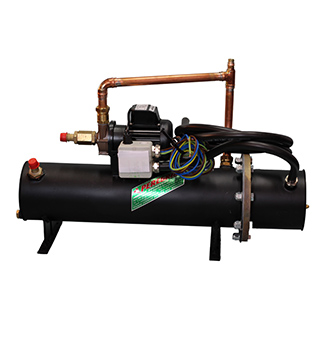
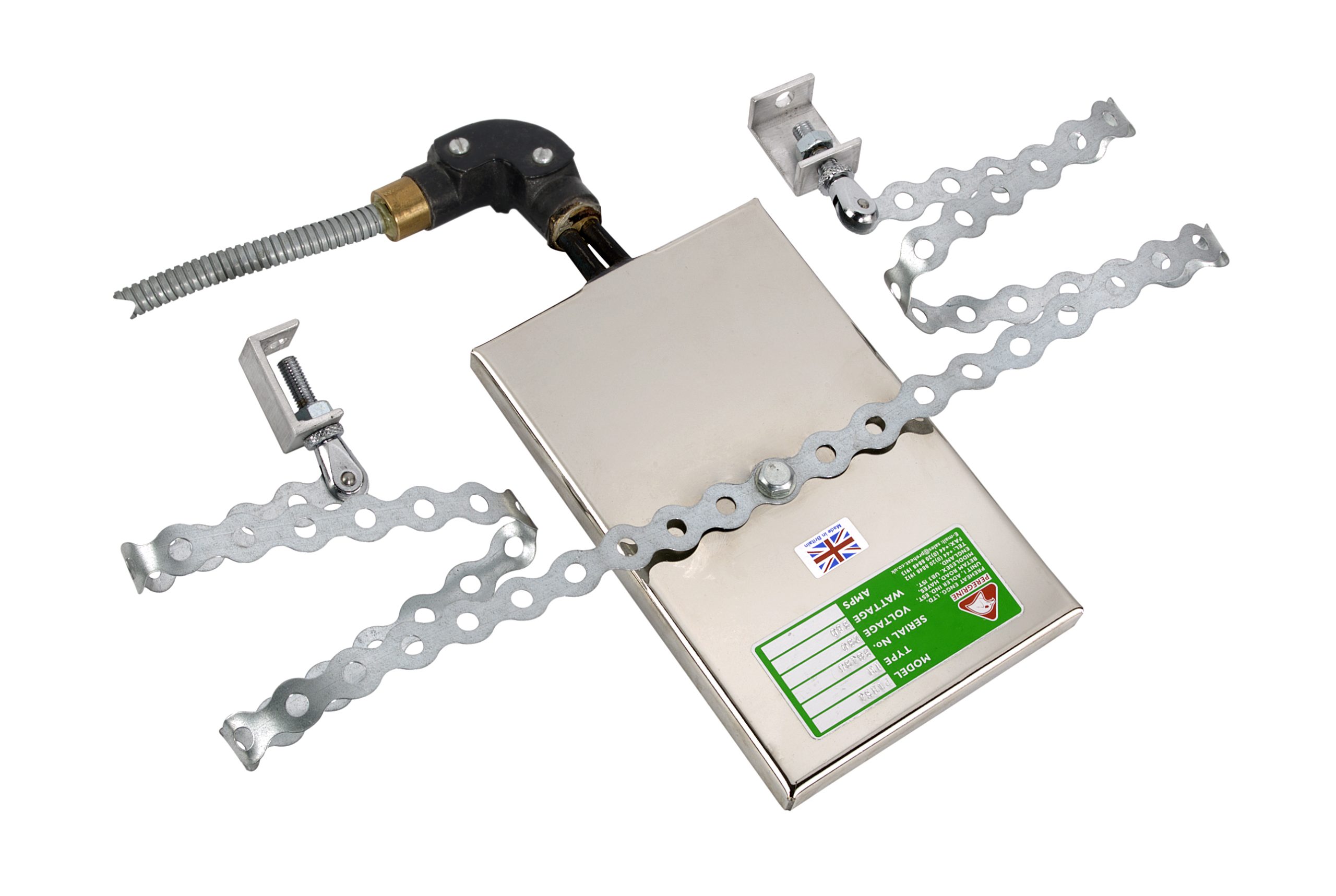

Quality UK Made Engine Preheaters
At Preheat, we continue to supply high quality UK made engine preheaters for a wide range of applications. We hold many products in stock and aim to dispatch stock items as quickly as possible, often for next working day delivery.
If you would like to place an order or discuss your engine preheating requirements, our team is ready to help.
Call: 0208 848 1912
Email: sales@preheat.co.uk
Contact us today to find out how our engine preheating solutions can help protect your equipment, improve efficiency and support reliable operation throughout the year.